

From 11–14 May 2026, the Republic of Djibouti hosted a high-level consultation mission under the National Cooling Action Plan (NCAP) initiative, bringing together national stakeholders, international partners, and technical experts to accelerate the country’s transition toward sustainable and climate-friendly cooling solutions.
The mission was organized under the framework of the Cool Coalition, led by the United Nations Environment Programme (UNEP) in collaboration with the Regional Center for Renewable Energy and Energy Efficiency (RCREEE), and in close coordination with the Ministry of Energy in charge of Natural Resources of Djibouti.
The NCAP initiative aims to support countries in addressing rising cooling demand while reducing greenhouse gas emissions, improving energy efficiency, and strengthening climate resilience. In Djibouti, where extreme temperatures, rapid urbanization, and growing energy demand continue to intensify cooling needs, the development of an NCAP represents a strategic milestone toward sustainable development and climate action.
Launching Djibouti’s NCAP Journey
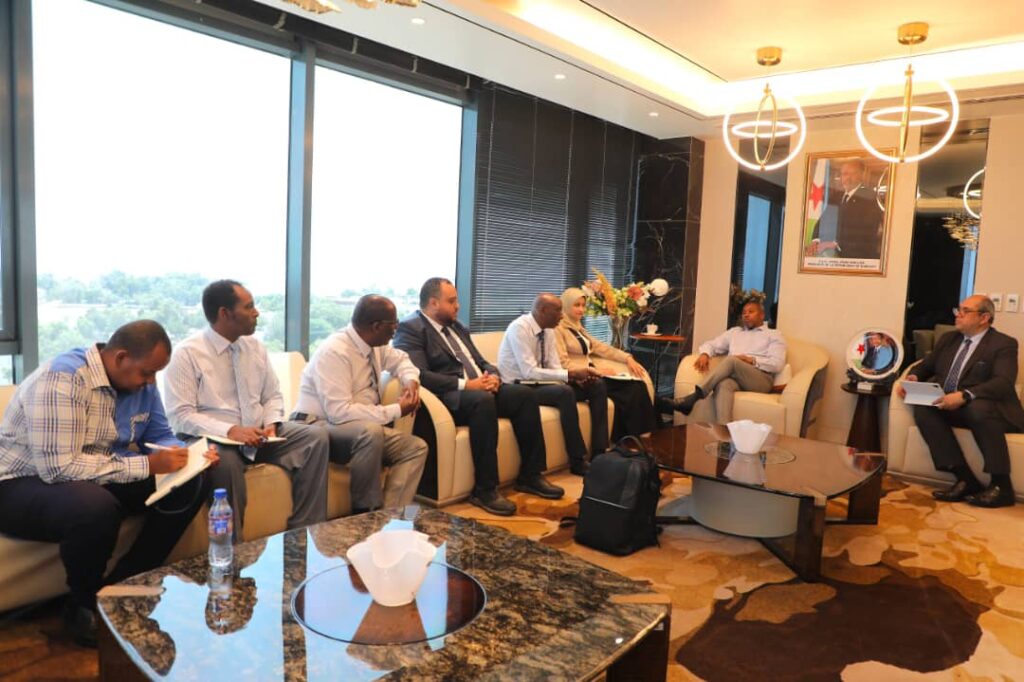
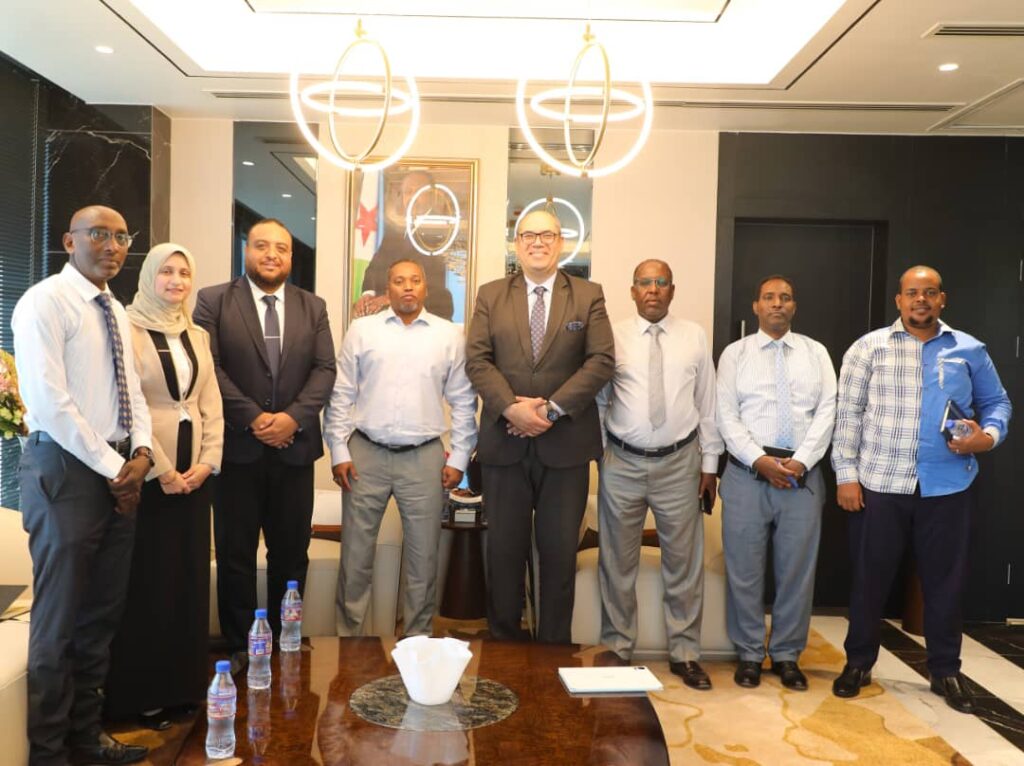
The mission commenced with consultations at the Ministry of Energy to align national stakeholders on the NCAP process, confirm the development roadmap, and agree on the data and modelling work needed to assess Djibouti’s cooling demand. Discussions engaged key representatives from the Ministry of Energy in charge of Natural Resources, alongside the Energy Planning and Energy Efficiency departments.
The consultation mission further included dedicated technical sessions with the NCAP consultant team to align on the workplan, regional methodology, data collection process, and energy modelling framework that will guide the implementation phase.
Kick-Off Event Highlights Collaborative Vision for Sustainable Cooling
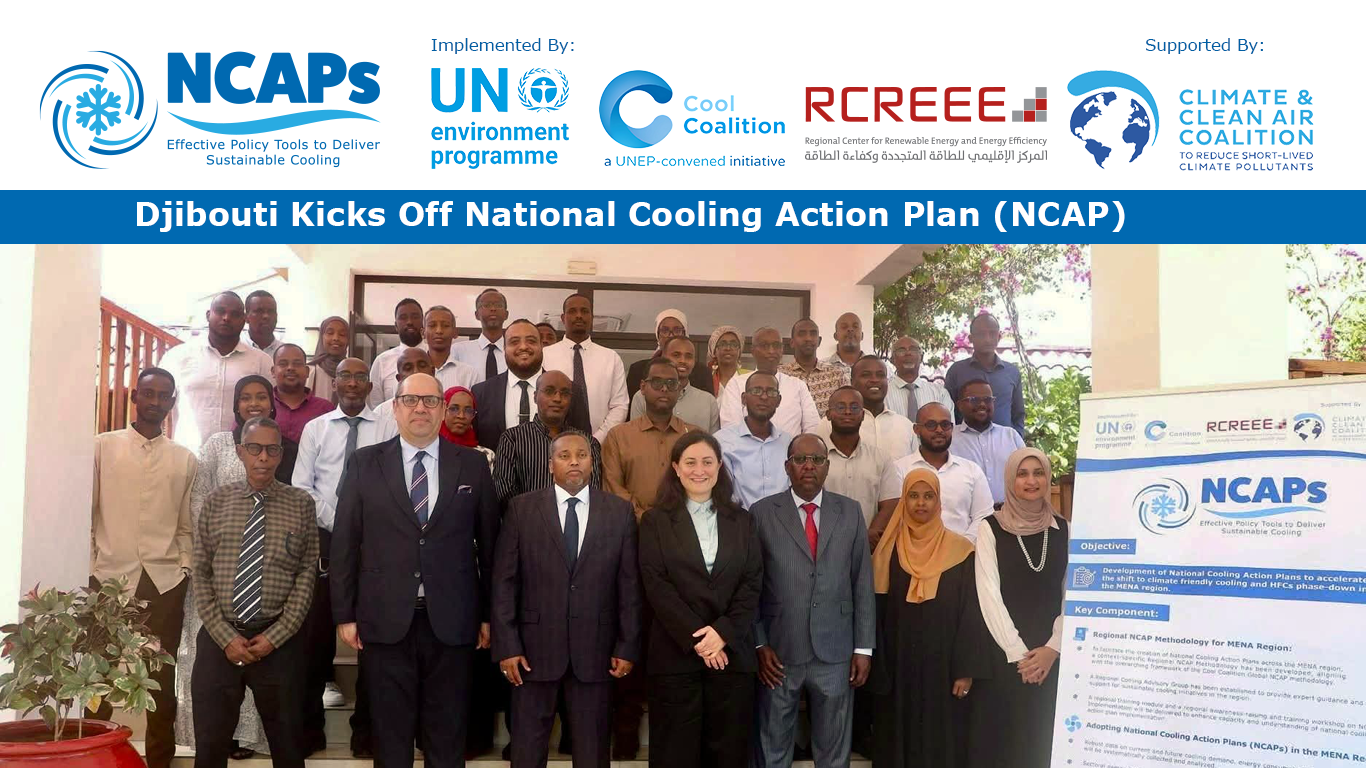
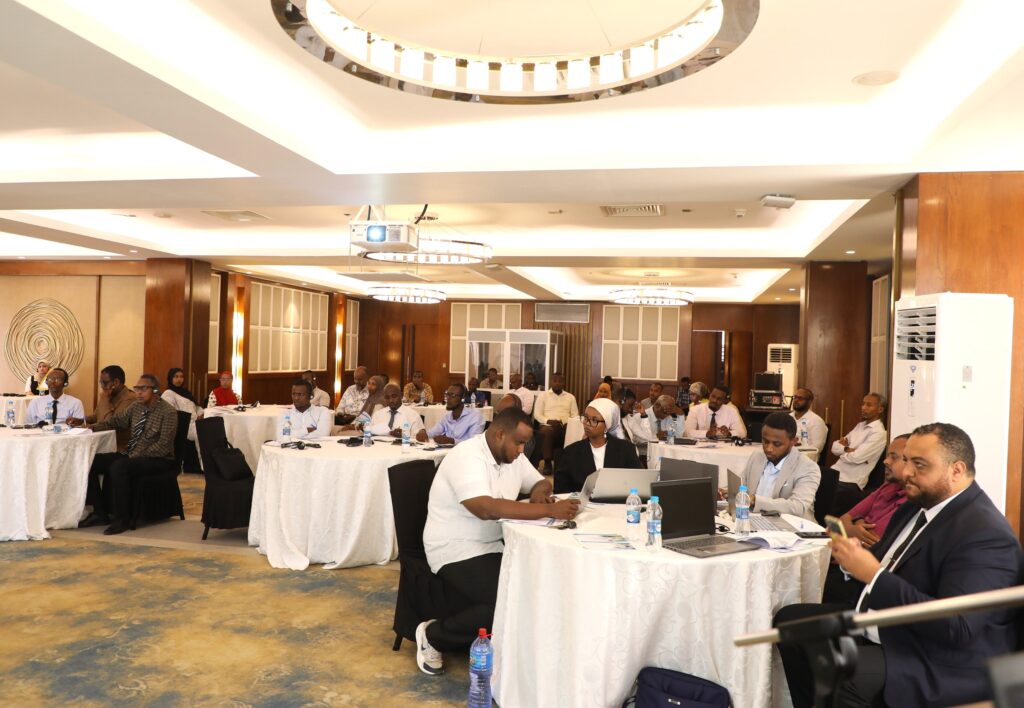
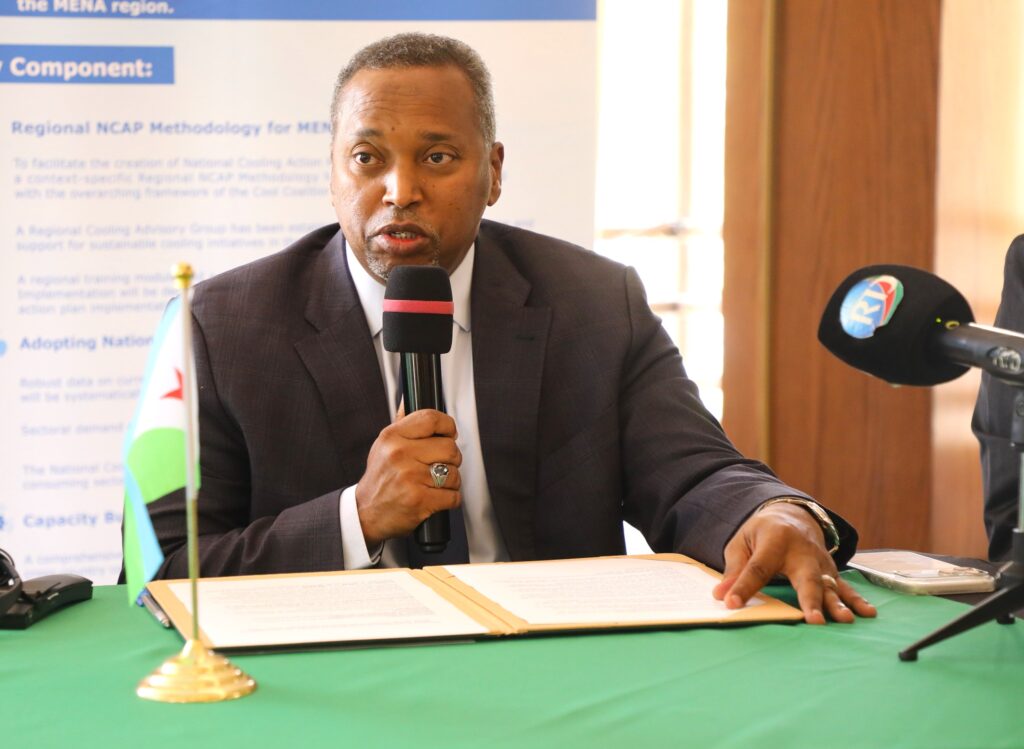
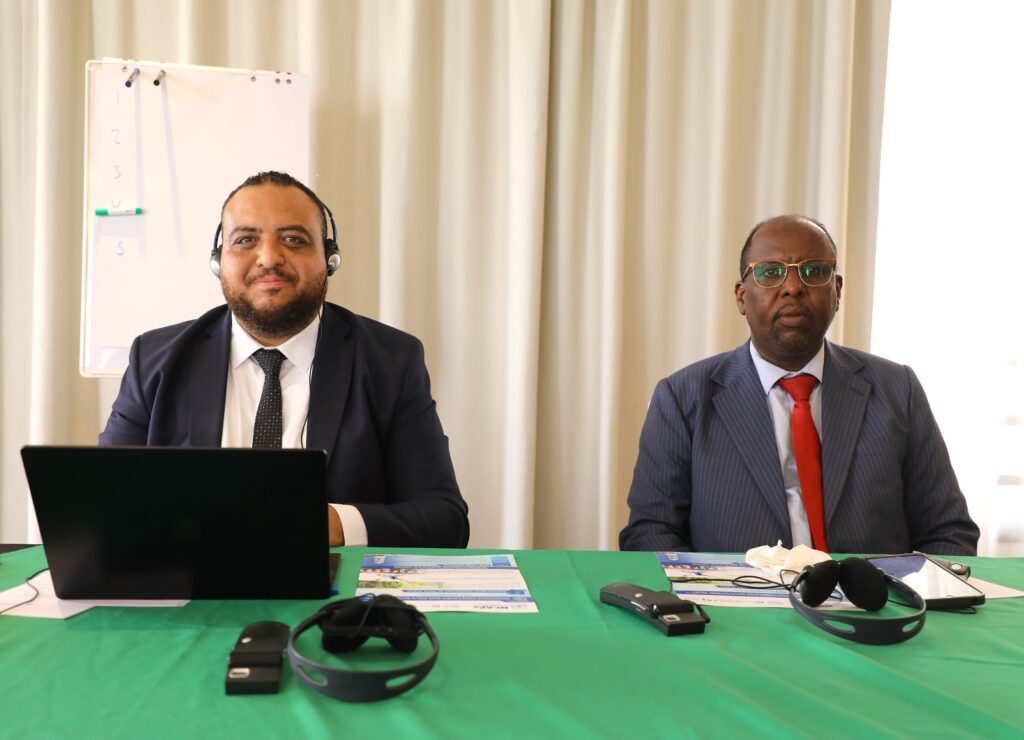
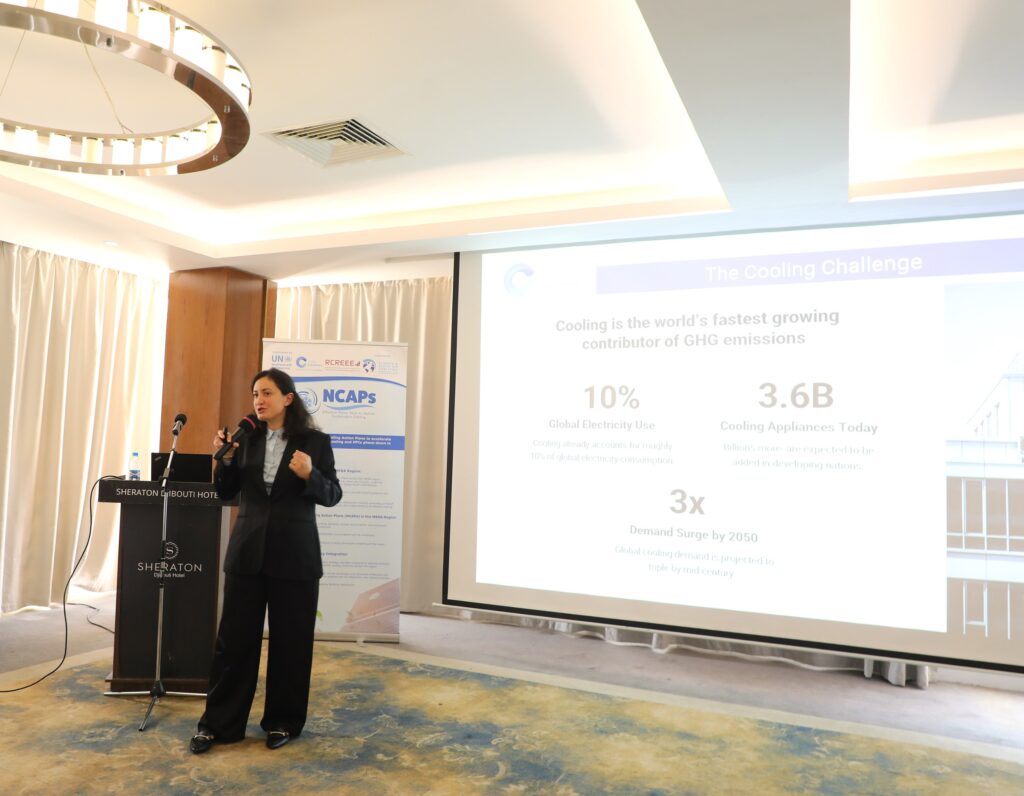
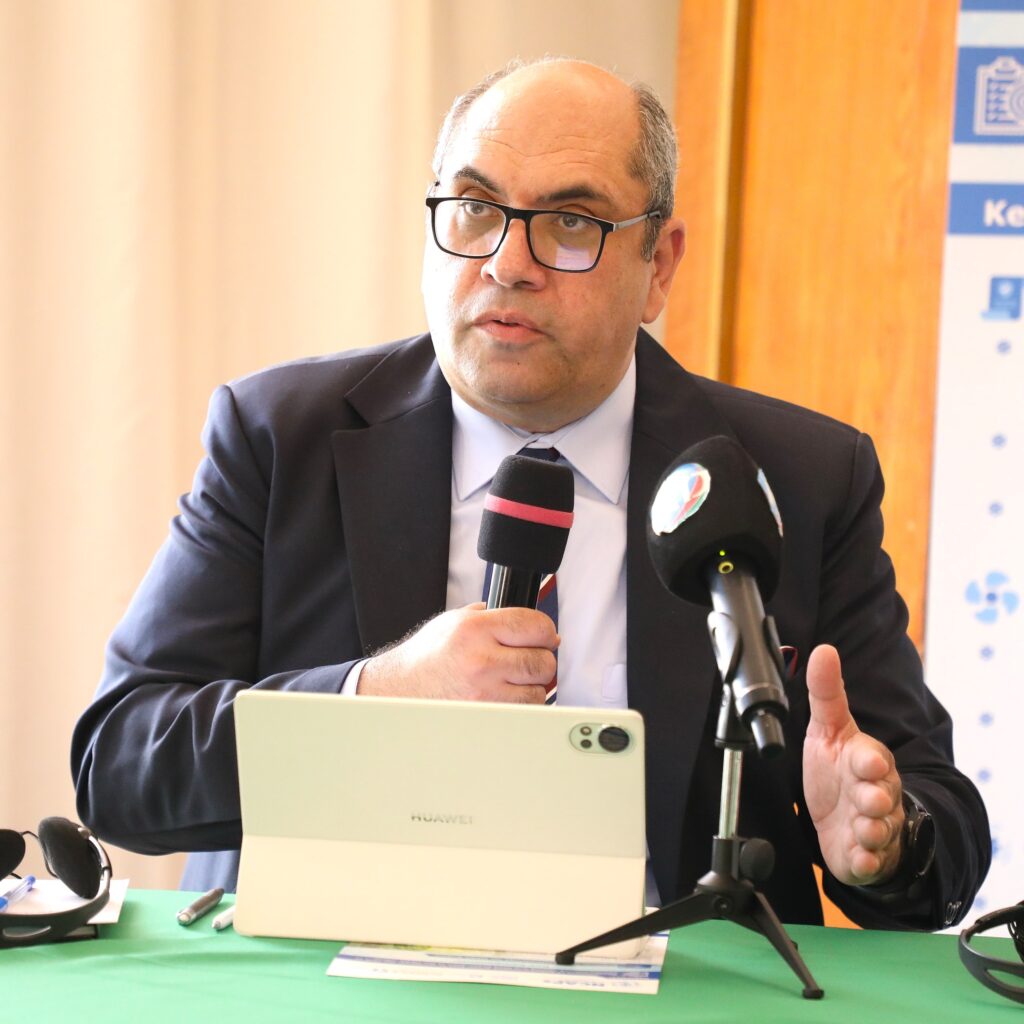
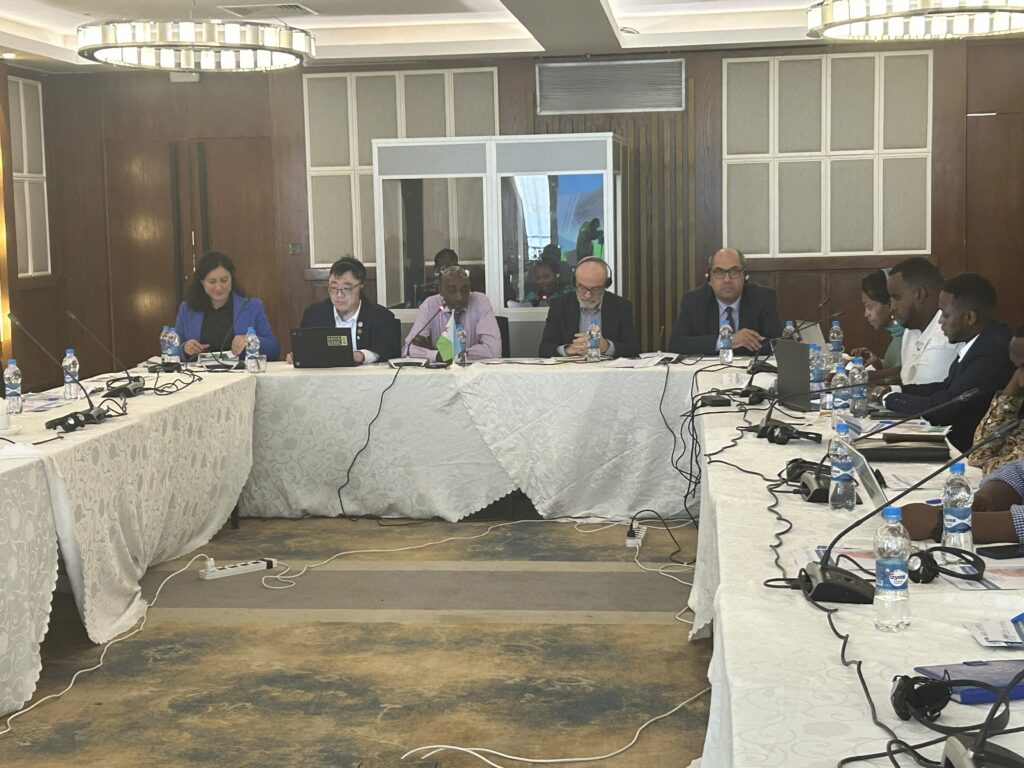
A major highlight of the mission was the official Kick-Off Event for Djibouti’s National Cooling Action Plan, held on 13 May. The event convened representatives from government entities, international organizations, technical experts, private sector stakeholders, and development partners to discuss the future of sustainable cooling in Djibouti.
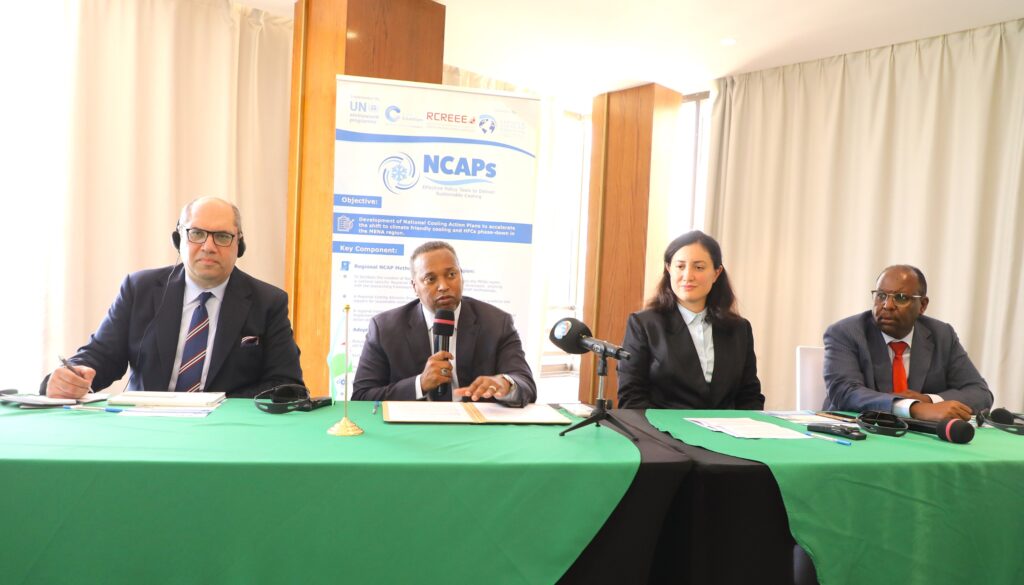
The opening remarks featured the intervention of H.E. M. Yonis Ali Guedi, Former Ministre de l’Energie, chargé des Ressources Naturelles, alongside contributions from RCREEE and UNEP experts, including presentations on the global and regional perspective of NCAP development, Djibouti’s strategic mitigation vision, and the regional NCAP methodology.
The event also explored best practices and sustainable business models for cooling technologies, emphasizing the importance of integrating cooling strategies into national energy and climate policies.
Representatives from UNEP, RCREEE, and the Ministry of Energy reaffirmed their commitment to supporting Djibouti in building a comprehensive and cross-sectoral cooling framework that enhances energy efficiency, supports economic development, and contributes to the country’s climate commitments under the Paris Agreement and the Kigali Amendment.
Inter-Ministerial Meeting Strengthens National Coordination
The mission concluded with a high-level Inter-Ministerial Meeting on 14 May, aimed at strengthening institutional coordination and formally advancing the governance framework for NCAP implementation in Djibouti.
The meeting brought together representatives from multiple ministries and national institutions to discuss the cooling gap, identify barriers, define technical working groups, and establish priorities for the implementation phase. Key discussions focused on fostering cross-sectoral collaboration and enhancing technical and institutional capacity to support long-term sustainable cooling policies.
Through this mission, Djibouti took an important step toward developing an integrated National Cooling Action Plan that aligns cooling demand with national development priorities, energy transition objectives, and climate resilience goals.
The NCAP initiative in Djibouti forms part of the wider regional effort led by UNEP, the Cool Coalition, and RCREEE to promote sustainable cooling pathways across the MENA region and support countries in delivering climate-friendly and energy-efficient cooling solutions.